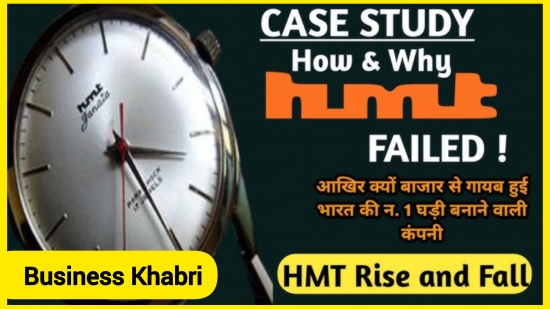
HMT Rise and Fall case study
The case study of HMT Watches is a classic example of a former public-sector monopoly that failed to adapt to a changing market, leading to its eventual decline and closure in 2016.
Overview of the Case Study
HMT Limited, a government-owned enterprise, entered watch manufacturing in 1961 through a collaboration with Japan's Citizen Watch Company. Bolstered by government protectionist policies that limited foreign competition, HMT became an iconic brand in India with a market share reaching up to 90% at one point. However, this dominance bred complacency, and the company was unprepared for the economic liberalization of 1991 and the entry of agile competitors like Titan Watches in 1984.
Key Reasons for Downfall
The primary reasons for HMT's failure are attributed to a mix of strategic, managerial, and marketing missteps:
Failure to adapt to technology and consumer preferences: HMT was a leader in mechanical watches, but it struggled to transition to the modern quartz watches that consumers increasingly demanded. While it did introduce quartz watches, it priced them too high and misread the markets initial lukewarm response as a rejection of the technology itself, leading it to double down on outdated mechanical watches.
Ineffective marketing and design: HMT continued to view a watch purely as a utility item for timekeeping, while competitors like Titan positioned them as fashion accessories. The company placed insufficient emphasis on R&D, aesthetics, and modern packaging, offering limited designs compared to its rivals.
Slow decision-making and bureaucracy: As a state-owned enterprise, HMT was often hobbled by centralized decision-making and bureaucratic hurdles (red-tapism), which led to delays in launching new products and responding to market changes quickly.
Weak distribution and retail strategy: HMT offered lower profit margins to retailers than its competitors, making its products less appealing for stockists. It relied heavily on its own limited branch offices and government Canteen Stores Department (CSD) sales, rather than building a wide, modern retail network like Titan's exclusive showrooms.
Talent exodus: A significant number of skilled HMT engineers and managers left to join Titan, effectively transferring valuable expertise to the primary competitor.
Key Takeaways
The HMT case study is a cautionary tale illustrating how even a dominant market leader with strong brand image can fail if it becomes complacent and does not innovate or adapt to changing consumer needs and competitive landscapes. It highlights the importance of market-driven strategies over a production-oriented mindset, especially during periods of significant market transformation.
Thanks for connecting business Khabri, bharat ka apna business portal.
Blog ID : 1571
If anyone feel the content of this post is not in community guidelines, It may be considered upsetting, offensive, or sensitive. then please help us to report this.
Report to admin